
By M. Dru Levasseur, Deputy Program Officer of the National LGBT Bar
We’re in an unprecedented time. The global health crisis caused by COVID-19 has led to a near shutdown of most social functioning: no in-office work, no in-store shopping, no gathering of friends, no public events. Many, many people are left vulnerable, losing work, social support systems, and access to daily activities. Most lawyers, meanwhile, have job security and the ability to work remotely, putting them in a position of extreme privilege in this global stand-still. Now more than ever, it is essential that we as lawyers step up and fight for those who will be most impacted by the health crisis, whether it be our colleagues or our clients.
Here are a few ways that lawyers can step up in a time of social distancing:
Maintain an inclusive workplace
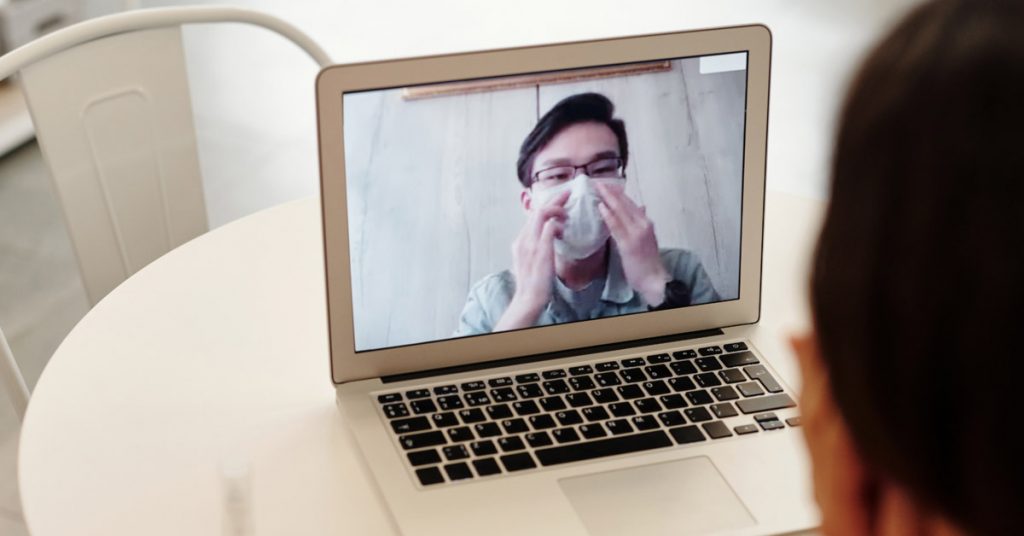
Working from home presents unique challenges–not everyone has equal access or ability to use technology, and a distraction-free environment is unlikely with children home from school and elderly relatives to support. Check in on your colleagues, provide whatever support you can, set reasonable expectations, and stay flexible. We’re all navigating uncharted and challenging territory. For more tips on how to maintain an inclusive workplace, check out Yusuf Zakir’s article, “7 Keys to Keeping Your Firm Inclusive In the Coronavirus Era.” And finally, remember that workplace inclusion is always important–the reality of coronavirus is simply unveiling the many ways in which workplace practices can impact disadvantaged colleagues.
Support the vulnerable
While the coronavirus crisis affects everybody, some people are disproportionately impacted by the changes wrought by the virus. People who face elevated health disparities due to structural racism, sexism, ageism, ableism, homophobia, and transphobia, particularly where categories overlap, will be most impacted by overwhelmed health systems and limited healthcare access. Meanwhile, the economic strain of social distancing means that many people are left without work and unable to keep up with daily costs such as groceries or rent. Consider what this means for your colleagues, client base, and communities where you live. Pro bono work is more important than ever, particularly for the economically vulnerable and those in underpaid but essential fields such as grocery workers, healthcare administrators, and gas station employees.
Reach out to those around you
Home is not a safe place for everybody. In challenging times, rates of domestic violence, mental health declines, and suicide risk all rise. Because social isolation is key to combating the virus, people are even more likely to find themselves at risk and with obstacles to seeking help. LGBTQ+ people face heightened physical and mental health risks, including a 40% suicide attempt rate for transgender people. Reach out to colleagues, clients, community members, and friends, and consider how to support them in an isolating and scary time. In addition, the National LGBT Bar has compiled a list of LGBTQ+ resources (listed below) regarding COVID-19, which we encourage you to share with your colleagues and friends.
Prioritize lawyer wellness for yourself and others
Taking care of your own health and safety is just as important as taking care of others. Law is a high-pressure field, and this is a high-anxiety time. Make sure to take time to care for yourself, whether through a favorite hobby, connecting with friends (virtually, of course), or simply relaxing. Be cautious of relying on alcohol or drugs to manage the additional stress you may be experiencing – and be sure to get some daily exercise, eat well, and get 7-8 hours of sleep a night. For more, take a look at the ABA’s well-being toolkit for lawyers. You can also reach out to your local Lawyers Concerned For Lawyers of Lawyer Assistance Program chapter.
Health Resources
Answers on COVID-19 and HIV | Aidsfonds
Comprehensive Toolkits One and Two | Community-Sourced
COVID-19 for Older LGBTQ+ Adults | sage: Advocacy & Services for LGBT Elders
COVID-19 Information For People Living with HIV | California Department of Health
COVID-19 Potential Impact on LGBTQ+ People | National LGBT Cancer Center
COVID-19: Special Considerations for People with HIV | Infectious Diseases Society of America and the HIV Medicine Association
Healthcare Equality Index | Human Rights Campaign
Health Provider Directory | GLMA: Health Professionals Advancing LGBTQ Equality
LGBT Community Center Directory | Center Link
LGBTQ+-Inclusive Health Clinics | Centers for Disease Control and Prevention
Localized Resources Database | Community-Sourced
Mental Health and Coping During COVID-19 | Center for Disease Control
The Coronavirus (COVID-19): What Trans People Need to Know | National Center for Transgender Equality
What do Older Adults and People with Disabilities Need to Know? | Administration for Community Living
Seek Support
Crisis Text Line | text HOME to 741741
LGBT National Help Center
National Domestic Violence Hotline | 1-800-799-7233, Online Chat
National Sexual Assault Hotline | 1-800-656-4673, Online Chat
Online Support Group | Gender Spectrum
Trans Lifeline
Trevor Lifeline | 1-866-488-7386, Online Chat
Trevor Text | text START to 678678
Worship Live Streams | Believe Out Loud
Please contact dru@lgbtqbar.org to recommend additional resources.